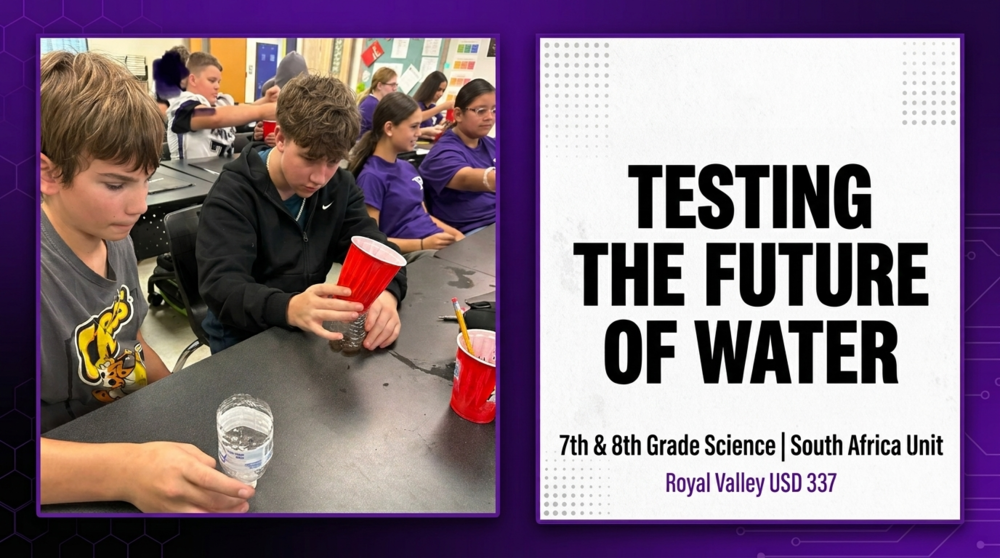
In Mrs. DelToro’s Hands-On Geography classroom, 7th and 8th-grade students recently put their problem-solving skills to the test during a two-day unit on water scarcity and environmental engineering.
As part of their South Africa Unit, our students looked closely at Namibia, where communities face severe drought conditions. After watching a documentary on how Windhoek, Namibia recycles wastewater into safe drinking water, students compared these global challenges to their own daily water use. They defined key concepts like potable water, evaluated local consumption habits, and debated the ethical responsibilities between upstream and downstream water users.
On the second day, students stepped into the roles of environmental engineers:
Calculated local precipitation totals
Created simulated wastewater and recorded baseline pH, color, and clarity
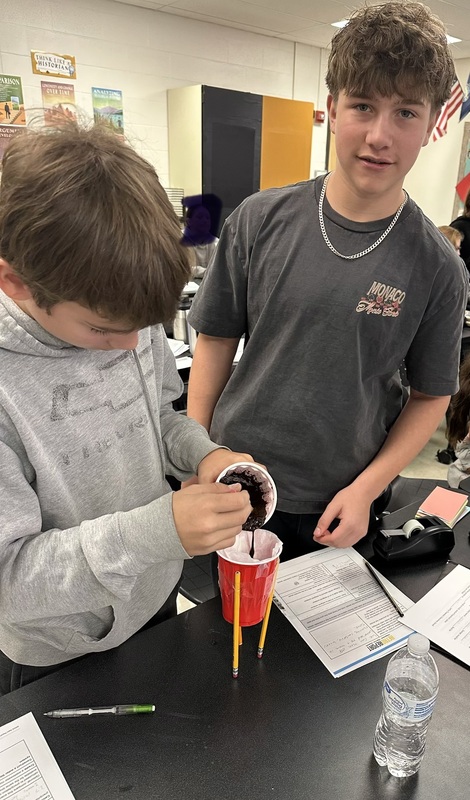
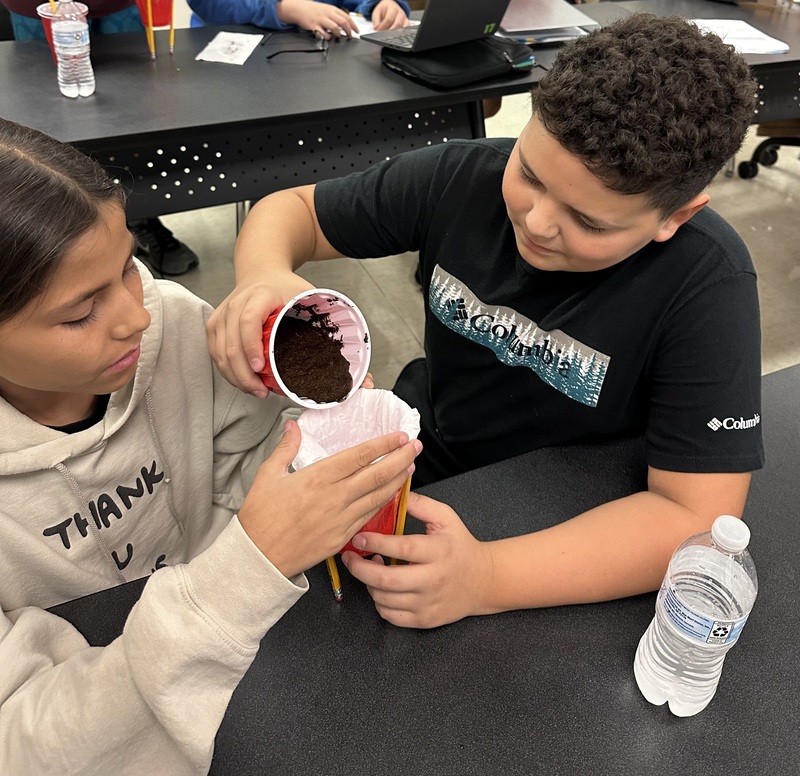
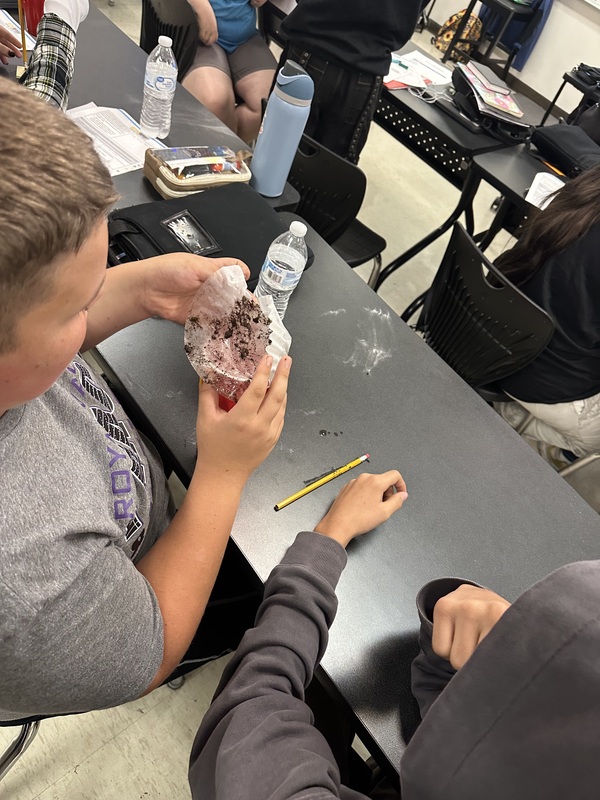
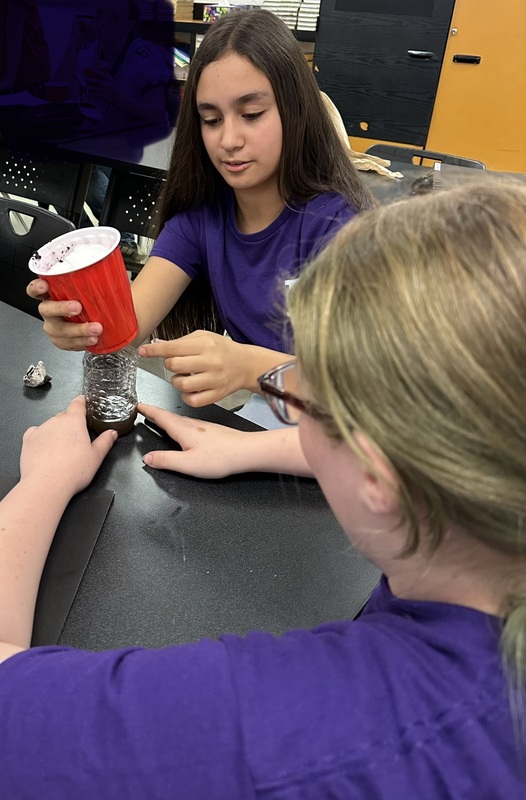
Built small-scale filtration systems using various materials
Measured filtration speeds and tested single vs. multi-filtered water
 =
=
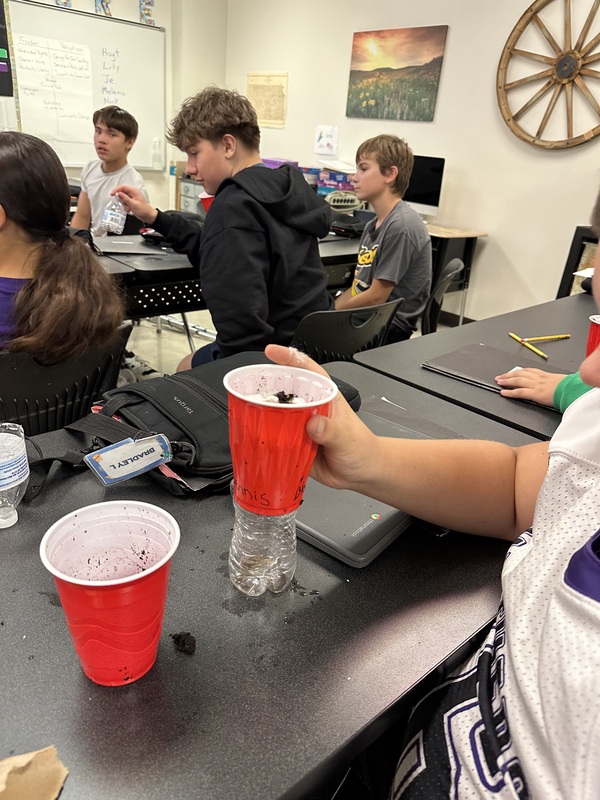
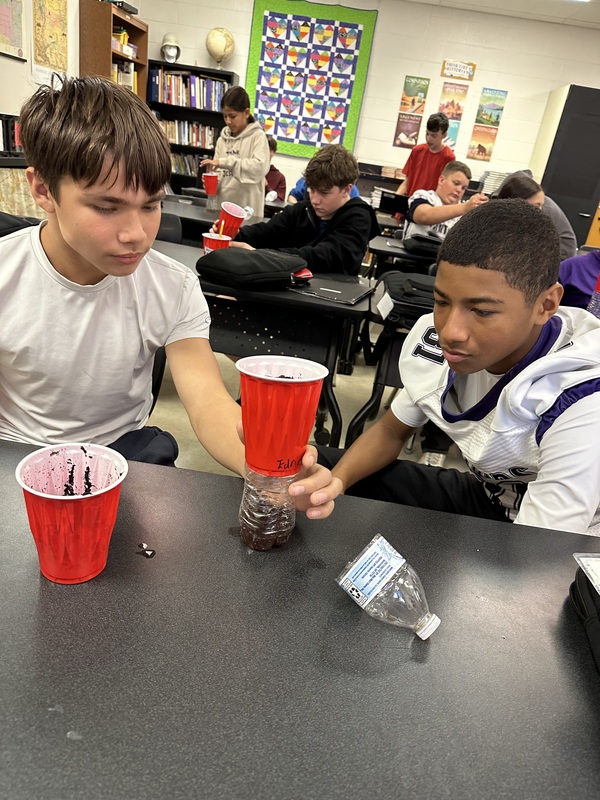
Through this hands-on lab, our students saw firsthand how flow rate, pH levels, and materials impact water purification. They gained a deeper appreciation for the constant safety testing required to protect public drinking water.